Stronger Than You Think: Why Plant Protein Builds Muscle Differently
Gram for gram was never the whole story. Protein quality, leucine, and the whole-food matrix are changing how we think about plant-based strength and healthy ageing.
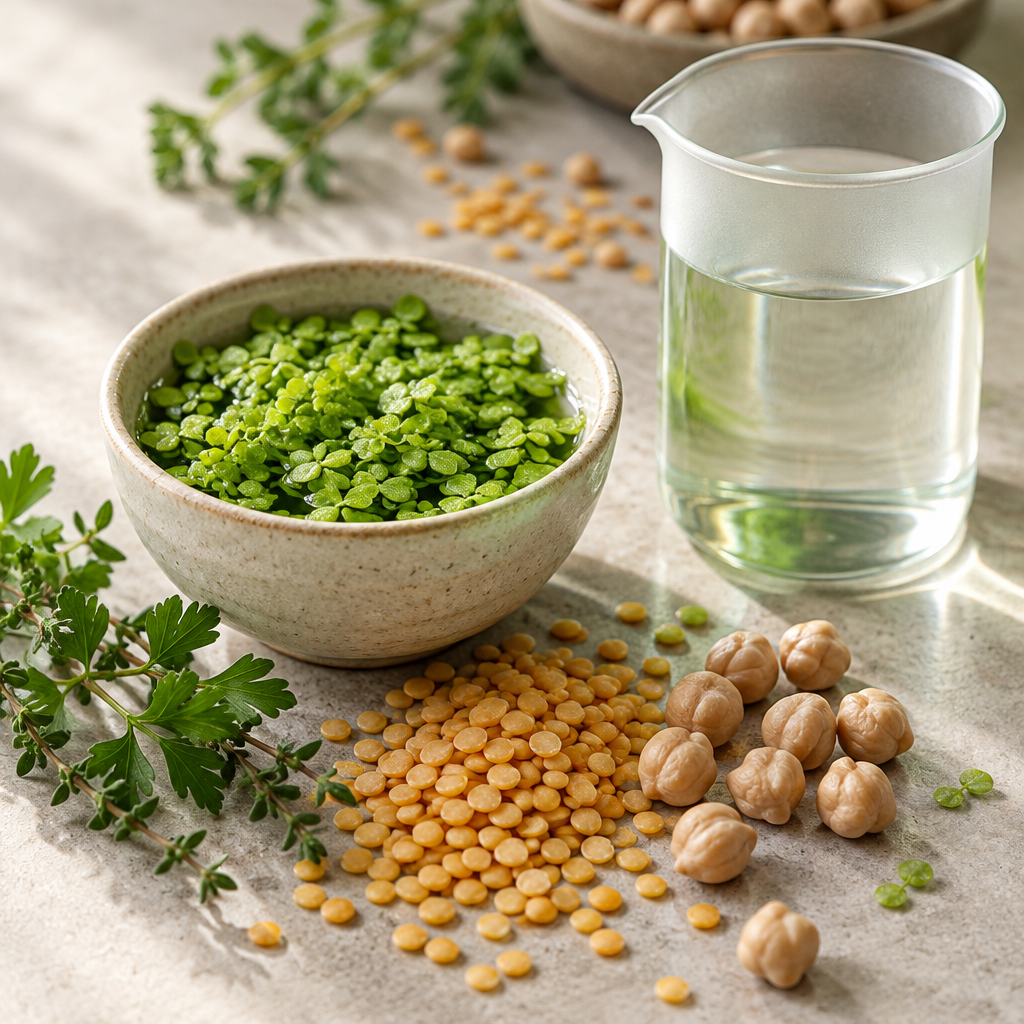
Muscle is quietly expensive to keep. From roughly the age of 30, adults lose muscle mass at a rate of about 3 to 8 percent per decade, and the decline accelerates after 60. That slow erosion, known as sarcopenia, is one of the strongest predictors of falls, loss of independence, and metabolic decline in later life. The two levers that reliably slow it are resistance training and adequate protein, and the second lever is where plant-based eating has long been told it comes up short. The story is more interesting than the headline.
The claim you still hear is that plant proteins are incomplete, poorly absorbed, and simply not as good for building muscle as meat, eggs, or dairy. There is a real scientific basis for part of that, and a great deal of oversimplification in the rest. Understanding the difference matters, because it changes what you put on the plate.
What Protein Quality Scores Actually Measure
Modern protein quality is scored using the Digestible Indispensable Amino Acid Score, or DIAAS, which compares a protein's digestible amino acid supply against human requirements. On this scale, isolated wheat or rice protein scores modestly, soy scores well, and animal proteins such as milk and egg score highest. This is where the 'incomplete plant protein' idea comes from, and it is not wrong about single isolated proteins. Cereal proteins are typically low in lysine; legume proteins are typically low in methionine.
But the score describes a single ingredient tested alone, not a diet. The human body does not eat one protein in isolation, and it does not need every meal to contain a perfect amino acid profile. Amino acid pools are buffered across the day, so lysine from lentils at lunch covers the wheat at breakfast. This is the classic logic of complementary proteins, and it happens almost automatically in any varied plant-based diet. Research in which total protein intake is matched consistently finds that plant and animal proteins produce broadly comparable gains in strength and lean mass, even though the plant groups often need somewhat more total protein to get there.
Leucine: The Switch That Starts Repair
The most practical quality question is not a score on a label but whether a meal triggers muscle protein synthesis. That switch is largely pulled by leucine, a branched-chain amino acid that signals through the mTOR pathway. Animal proteins tend to deliver leucine densely, roughly 8 to 10 percent of total protein. Many plant proteins sit lower, which means a plant-based meal may need a slightly larger protein dose, or a blend of sources, to cross the same threshold.
In practice, this is a portioning question rather than a verdict. A meal built around tofu, tempeh, lentils, soy, or a legume and grain combination can reach a meaningful leucine dose when the protein portion is generous, typically in the region of 25 to 40 grams of protein for older adults. Blending sources helps too, because the limiting amino acid of one is usually abundant in the other.
This is also where lemna duckweed is genuinely useful rather than merely fashionable. Its protein fraction has a balanced amino acid profile more typical of animal proteins than of cereals, and it is one of the few whole plants that supplies a substantial share of total mass as high-quality protein. For a plant-based plate that needs density without another scoop of isolate powder, that combination is hard to replicate.
The Whole-Food Advantage Nobody Mentions
Most of the research comparing plant and animal protein uses isolated powders, which strips away everything the plant brought with it. Whole-food sources behave differently. Legumes, whole grains, and lemna arrive with fibre, polyphenols, and micronutrients that influence how quickly protein is digested, how full you feel, and how the meal affects blood sugar. A slower release is not a disadvantage for muscle; it may extend the amino acid supply between meals, and it makes hitting a protein target without excessive calories considerably easier.
There is a genuine tension here worth naming. Highly refined plant protein isolates score better on digestibility but lose the matrix. Whole foods score slightly lower on paper but deliver more besides protein. The sensible strategy is not to choose one philosophy but to build most meals from whole sources and use isolates only to close a specific gap.
What Else Muscle Needs Beyond Protein
Protein gets the attention, but muscle function depends on several nutrients that plant-based diets can leave thin. Vitamin D status is associated with strength and fall risk, and low levels are common regardless of diet. Long-chain omega-3s, EPA and DHA, appear to support the muscle's sensitivity to protein and to help moderate the low-grade inflammation that comes with ageing; conversion from plant ALA is inefficient in many people, which is why direct sources or supplementation are often worth considering. Magnesium and potassium are typically abundant in plant foods, but only if intake is actually high enough. Creatine deserves a mention because muscle stores run roughly 20 to 30 percent lower in people who eat no meat or fish, and supplementation has the strongest evidence of any ergogenic aid for strength in older adults.
None of this replaces the main lever. Resistance training two to three times a week remains the stimulus that tells the body to use the protein you give it. Without that signal, extra protein largely gets oxidised.
A Practical Plate for Stronger Ageing
The actionable version is unglamorous and effective. Spread protein across meals rather than concentrating it at dinner, aiming for a substantial portion at each of three meals instead of a token amount at breakfast. Anchor each meal with a complete or complementary plant protein: soy foods, legumes with grains, or a whole-food lemna product. Aim higher on total intake than the general population guidance, in the region of 1.2 to 1.6 grams per kilogram of body weight if you are training, and toward the upper end after 60. Include a protein-containing snack in the afternoon, when intake typically dips. Test vitamin D, B12, ferritin, and omega-3 status rather than guessing, and retest after a few months once you have changed something.
The Bottom Line
Plant protein is not a compromise that needs apologising for, and it is not automatically equal either. It is a different package: slightly lower density per gram, better fibre and phytochemical load, and a quality profile that depends heavily on how you combine and portion it. Get the dose right, vary the sources, train against resistance, and the evidence does not support the idea that you are leaving strength on the table. If anything, the plant-based eaters who pay attention to these details tend to end up with the more complete nutritional picture overall.