The Omega-3 Gap: Why Plant-Based Diets Need a Smarter Approach
Most people on plant-forward diets are deficient in the long-chain omega-3s that matter most for brain and cardiovascular health. Lemna may be part of the answer.
Omega-3 fatty acids are among the most discussed nutrients in modern nutritional science — and among the most misunderstood. The public conversation tends to conflate all omega-3s into a single category, but the biology is more specific. EPA and DHA — the long-chain forms that drive the most clinically meaningful outcomes — are forms that the body struggles to produce in sufficient quantities from plant-based precursors alone.
This matters enormously for those following plant-based diets. ALA, the omega-3 found in flaxseed, chia, and walnuts, undergoes conversion to EPA and DHA in the body — but the conversion rate is highly inefficient, typically between 5% and 15% for EPA, and less than 1% for DHA. For individuals relying entirely on plant sources, this creates a structural nutritional gap.
What the Research Actually Shows
Long-term studies of plant-based populations consistently show lower circulating EPA and DHA levels compared to omnivorous controls, even when ALA intake is adequate. The downstream effects on cognitive function, inflammatory regulation, and cardiovascular resilience are measurable and clinically relevant. This is not an argument against plant-based diets — it is an argument for supplementation strategies that are themselves plant-derived.
Lemna as an Emerging Source
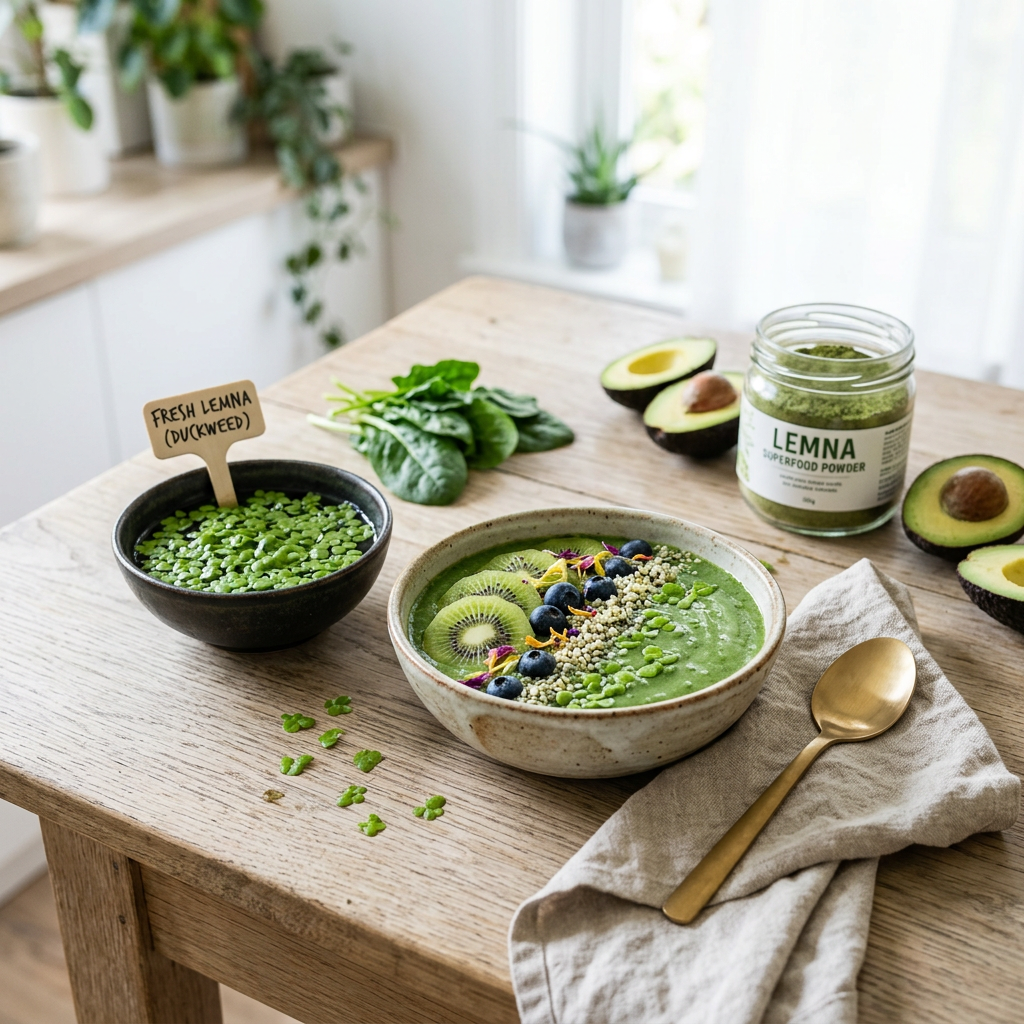
This is where lemna duckweed enters the picture. Unlike most plant sources, lemna contains meaningful concentrations of ALA alongside a unique fatty acid profile that research suggests may support more efficient conversion pathways. Certain lemna cultivars have demonstrated the capacity to accumulate EPA directly — distinguishing them from virtually every other terrestrial plant source.
The Personalisation Imperative
The omega-3 gap is not the same for every person. Genetics influence conversion efficiency; age affects it; health status shapes it. At LIV Health, our personalised nutrition module accounts for individual biomarker data to deliver a tailored supplement that works with your biology. The future of nutrition is not a one-size-fits-all capsule — it is data-driven, plant-based, and rooted in science.