The Complete Nutritional Guide for Plant-Based Diets: What You Actually Need
Plant-based diets deliver significant health benefits — but only if the well-documented nutritional gaps are actively managed. This is the definitive guide.
Why Plant-Based Diets Require Active Nutritional Management
Plant-based diets are associated with lower rates of cardiovascular disease, type 2 diabetes, certain cancers, and all-cause mortality. The research on this is consistent and compelling. But the same research consistently shows that plant-based populations are more likely to be deficient in a specific set of nutrients — not because plant-based diets are nutritionally inadequate, but because those nutrients are present in lower concentrations, lower bioavailability forms, or absent entirely from plant foods.
Managing these gaps is not complicated — but it requires knowing which gaps exist, why they exist, and what the most effective interventions are.
The Critical Nutrients: What They Are and Why They Matter
Vitamin B12: The only nutrient that cannot be obtained from a plant-based diet. B12 is produced by bacteria, not plants, and while it is present in animal products (because those animals consume B12-producing bacteria), it is absent from all plant foods. B12 deficiency causes irreversible neurological damage and megaloblastic anaemia. Supplementation is not optional for strict plant-based diets — it is essential. Required dose: 250–1000 mcg cyanocobalamin or methylcobalamin daily.
Omega-3 Fatty Acids (EPA and DHA): Plants contain ALA (alpha-linolenic acid), which the body can convert to EPA and DHA — but conversion efficiency is low (5–15% for EPA, under 1% for DHA). Long-term plant-based populations show significantly lower circulating EPA and DHA compared to omnivores. The downstream effects on cognitive function, cardiovascular health, and inflammatory regulation are clinically meaningful. Algae-derived omega-3 supplements (the same source from which fish accumulate omega-3) provide plant-derived EPA and DHA without conversion inefficiency. Lemna duckweed is emerging as an additional plant-based omega-3 source, with certain cultivars accumulating EPA directly.
Iron: Plant foods contain non-haem iron, which is absorbed at 2–20% efficiency compared to 15–35% for haem iron in meat. Vitamin C significantly increases non-haem iron absorption. Plant-based individuals should consume iron-rich plant foods (legumes, tofu, dark leafy greens, seeds) alongside vitamin C sources, and avoid coffee and tea around iron-rich meals (tannins inhibit absorption).
Zinc: Plant-based sources of zinc include legumes, nuts, seeds, and whole grains — but phytates in these foods reduce zinc bioavailability. Plant-based individuals typically need 50% higher zinc intake than omnivores to achieve equivalent zinc status. Soaking, sprouting, or fermenting legumes and grains reduces phytate content and improves zinc absorption.
Calcium: Dairy is the most concentrated and bioavailable calcium source in conventional diets. Plant-based calcium sources include kale, bok choy, broccoli, and calcium-set tofu — but achieving adequate intake requires deliberate dietary planning. Fortified plant milks typically provide calcium at levels comparable to dairy.
Vitamin D: Vitamin D3 is produced in skin on sun exposure and found in fatty fish and egg yolks. Most people — regardless of diet — are vitamin D deficient in northern latitudes during winter. Plant-based vitamin D3 (from lichen) is now widely available and performs comparably to animal-derived D3.
The Role of Lemna Duckweed in Addressing Plant-Based Gaps
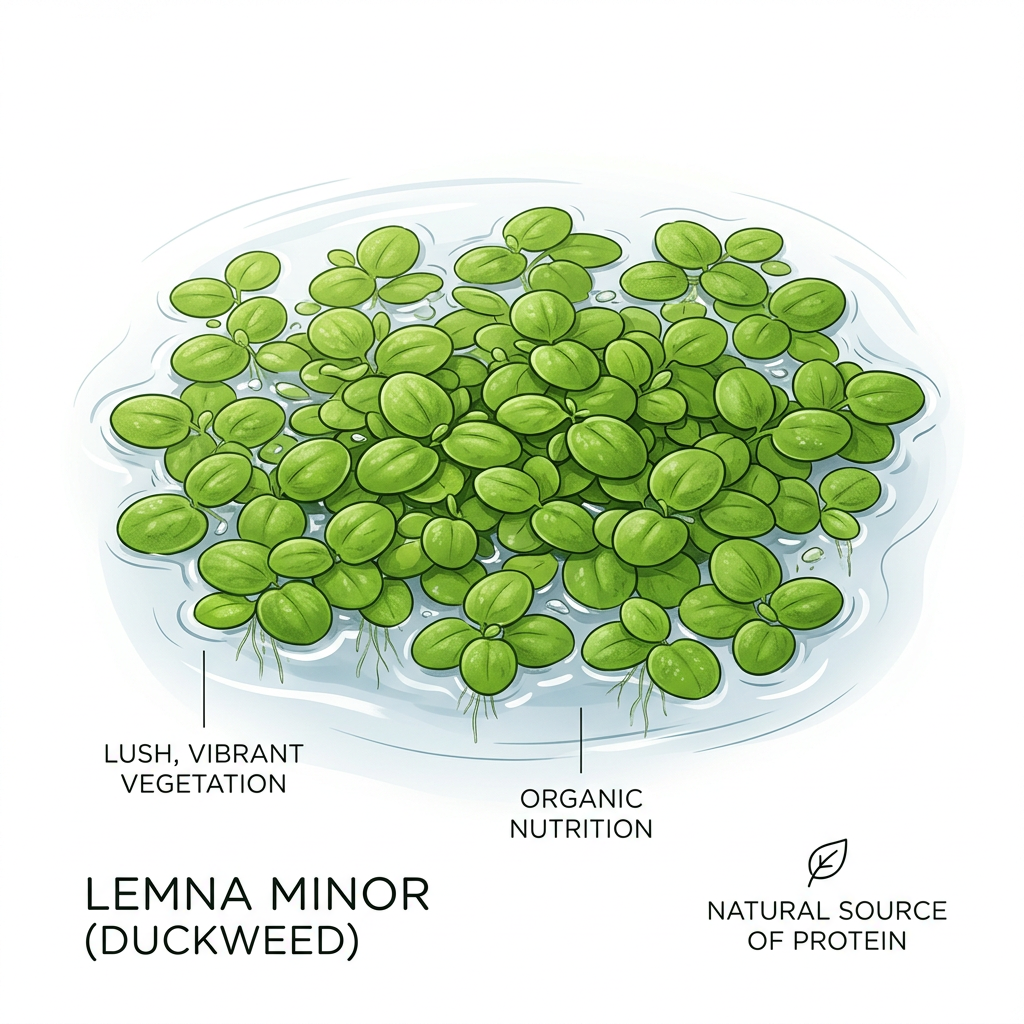
Lemna duckweed is nutritionally exceptional among plant foods: up to 45% protein by dry weight with a complete amino acid profile, meaningful omega-3 fatty acid content (including ALA and, in some cultivars, direct EPA accumulation), high magnesium, iron, and zinc concentrations, and a prebiotic fibre profile that supports gut microbiome health. LIV Health's lemna-based supplements are designed specifically to address the nutritional gaps most common in plant-based diets.
The Case for Personalised Supplementation
Nutritional gaps vary between individuals based on genetics, age, health status, and the specific composition of their diet. A 25-year-old athlete eating a varied whole-food plant-based diet has different supplementation needs than a 65-year-old with reduced gastric acid (which impairs B12 absorption). Personalised supplementation — based on individual biomarker data rather than population averages — is significantly more effective than generic multi-nutrient products.