Beyond Biohacking: How AI is Orchestrating Precision Wellness for Peak Human Performance
For decades, personal health management has been a reactive process, often waiting for symptoms to manifest before intervention. Yet, a groundbreaking shift is underway: the proactive, personalized optimization of human performance. Data from the American Medical Association indicates that chronic disease management costs the U.S. healthcare system over $1.1 trillion annually, largely due to delayed interventions. What if we could not only predict but actively prevent these trajectories, transforming healthcare from a repair shop into a performance lab?
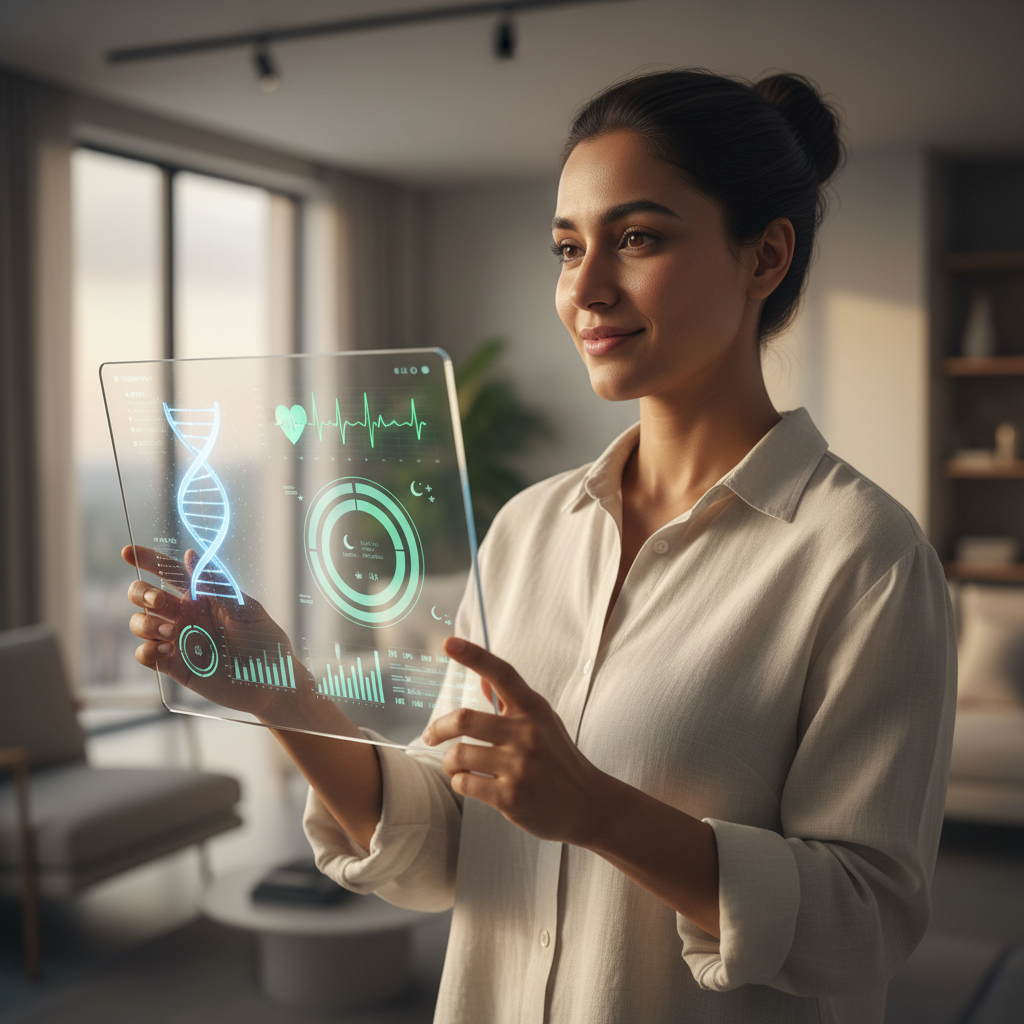
For decades, personal health management has been a reactive process, often waiting for symptoms to manifest before intervention. Yet, a groundbreaking shift is underway: the proactive, personalized optimization of human performance. Data from the American Medical Association indicates that chronic disease management costs the U.S. healthcare system over $1.1 trillion annually, largely due to delayed interventions. What if we could not only predict but actively prevent these trajectories, transforming healthcare from a repair shop into a performance lab?
This isn't speculative fiction; it's the operational reality emerging from the intersection of biohacking and artificial intelligence. Precision wellness, powered by sophisticated AI algorithms, is moving beyond generic advice to deliver hyper-personalized insights that optimize everything from metabolic function to cognitive resilience. Companies like Liv Health UG are at the forefront, leveraging AI to interpret complex biological data streams and provide actionable recommendations, effectively democratizing access to the kind of bespoke health strategies once reserved for elite athletes or high-net-worth individuals.
The AI-Driven Shift from Reactive to Predictive Health
The traditional healthcare model operates largely on a 'wait-and-see' basis, addressing illness after it has taken root. This approach is not only costly but often limits the potential for optimal recovery and long-term vitality. The paradigm shift initiated by AI in health, particularly within the biohacking community, is fundamentally about predictive analytics and proactive intervention. Instead of merely tracking symptoms, advanced AI platforms analyze continuous data from wearables, genetic markers, blood work, and even environmental factors to identify subtle patterns and potential deviations from an individual's unique baseline.
Consider the example of metabolic health. A conventional blood panel might flag elevated glucose levels only after they've crossed a diagnostic threshold for pre-diabetes. An AI-driven system, however, could analyze continuous glucose monitoring (CGM) data, correlating post-meal spikes with specific food combinations, sleep patterns, and stress levels over weeks or months. It might identify that a particular individual's insulin sensitivity is consistently lower after less than 7 hours of sleep, prompting a recommendation to prioritize sleep hygiene rather than waiting for a pre-diabetic diagnosis. This granular understanding allows for micro-adjustments in lifestyle that prevent chronic conditions from developing, aligning with the principles of preventative medicine and longevity science.
Orchestrating Individualized Biohacking Protocols
True biohacking isn't about haphazard experimentation; it's about systematic, data-driven optimization. The challenge has always been the sheer volume and complexity of biological data, making it difficult for individuals to synthesize and act upon. This is where AI excels, acting as a personal health data scientist. Liv Health's approach, for instance, moves beyond simple data aggregation to sophisticated pattern recognition and causal inference, building a dynamic digital twin of the user's physiology.
For example, an individual might be tracking their HRV (Heart Rate Variability), sleep stages, and daily activity. While these metrics are valuable, their true power emerges when an AI correlates them. If the AI observes a consistent drop in deep sleep and HRV on days following intense evening workouts, it can suggest adjusting workout timing or intensity, or recommend specific recovery protocols like cold therapy or targeted supplementation (e.g., magnesium or adaptogens). This level of contextualized recommendation is far more effective than generic advice, as it directly addresses the individual's unique physiological responses. The goal is to identify and optimize the 'levers' that drive personal well-being, whether it's optimizing nutrient timing for sustained energy or adjusting light exposure for circadian rhythm alignment.
The Future of Wellness: Continuous Optimization and Behavioral Nudging
The real power of AI in precision wellness lies not just in diagnosis, but in continuous optimization and behavioral reinforcement. Human adherence to health protocols is notoriously challenging; studies show that medication adherence for chronic diseases averages only 50%. AI platforms can significantly improve this by integrating behavioral science principles.
Imagine an AI companion that learns your motivation triggers and provides timely, personalized nudges. Instead of a generic reminder to 'drink water,' it might suggest, 'Your hydration levels are trending down; consider a glass of water before your next meeting to maintain cognitive focus,' linking the action to a personally relevant benefit. Furthermore, as new research emerges or as an individual's physiology changes (e.g., due to aging, stress, or environmental shifts), the AI can dynamically update its recommendations. This creates a feedback loop of continuous learning and adaptation, ensuring that the wellness strategy remains relevant and effective over time. By combining advanced analytics with intelligent nudging, AI transforms health management from a chore into an empowering journey of self-discovery and optimization.
To effectively leverage these advancements, individuals should actively engage with their data. Start by consistently tracking key metrics—sleep, activity, nutrition, and mood—and explore platforms that offer interpretable AI insights, not just raw data. Prioritize tools that explain the 'why' behind their recommendations, empowering you to understand your body better. Finally, remember that technology is a tool; integrate its insights into a holistic lifestyle that includes mindful awareness and professional medical guidance when necessary. The future of health is not just about living longer, but living better, with AI as your intelligent co-pilot.